
In today’s rapidly evolving job market, a college degree is often just the beginning of the education required for a successful career. Many professions demand additional training, certifications, or specialized study to prepare individuals for the complexities and responsibilities of their roles. Advanced certifications not only enhance technical skills but also signal credibility and expertise to employers and clients.
Understanding which careers require post-college training and what steps to take can make the difference between struggling to break into a field and thriving in a long-term, rewarding career. From healthcare to law, finance to consulting, this article explores professions that benefit from additional education, providing actionable tips for preparing, training, and excelling in these roles.
- How to Choose a Career That Matches Your Interests and Strengths
- Navigating the Educational Path to Specialized Careers
- Building Technical Skills for Health and Cosmetic Professions
- Securing Expertise in Finance and Advisory Roles
- Preparing for Careers in Veterinary and Animal Care
- Strategies for Success in High-Stakes Legal Roles
- Combining Education with Practical Experience
- Maintaining Credentials and Staying Competitive
- Planning Your Career Path Long-Term
How to Choose a Career That Matches Your Interests and Strengths

Selecting the right career is more than just looking at salaries or job growth; it requires a deep understanding of personal interests, strengths, and values. Careers that require advanced certification often demand high levels of responsibility, ethical decision-making, and analytical thinking.
Tips for choosing the right path:
-
Assess your skills and personality: Consider strengths such as attention to detail, empathy, communication, or problem-solving abilities. Tools like personality assessments can provide insight into careers that suit your natural inclinations.
-
Research career demands: Understand the typical responsibilities, work environment, and lifestyle of each profession.
-
Gain real-world exposure: Shadowing programs or informational interviews provide firsthand insight into the daily work of professionals.
For example, individuals interested in law may pursue careers that involve navigating complex legal matters and advocating for clients. A wills and trusts lawyer helps families plan their estates, requiring deep knowledge of estate law and the ability to communicate sensitive topics clearly. Similarly, a criminal defense attorney must handle high-stakes cases, requiring strategic thinking, research skills, and the ability to perform under pressure. Both professions benefit from targeted post-college training and ongoing continuing education.
Navigating the Educational Path to Specialized Careers
Many professions require formal education beyond a bachelor’s degree to acquire the technical knowledge, practical skills, and professional credibility necessary for success. Careers in law, healthcare, finance, and other specialized fields often demand a combination of advanced coursework, practical training, and post-graduate certification to ensure professionals are fully prepared to meet the demands of their roles. Law, in particular, is a prime example of a field where postgraduate education and certification are essential to practice competently and ethically.
Steps to Prepare for Specialized Legal Careers
-
Complete law school or advanced programs
Choosing the right law school or advanced program is a critical first step for those aiming for careers in specialized areas like personal injury or civil litigation. When selecting a program:-
Look for schools that offer robust courses in your area of interest, such as tort law, civil procedure, or trial advocacy.
-
Research faculty expertise, clinic programs, and externships, as these opportunities provide practical exposure.
-
Consider additional certificates or dual-degree programs that enhance your skillset, such as business law or health law for niche practice areas.
-
-
Participate in internships or clerkships
Hands-on experience bridges the gap between theoretical knowledge and real-world practice. Internships and clerkships allow future lawyers to:-
Observe courtroom proceedings, client interactions, and negotiation tactics.
-
Conduct legal research and draft documents under the guidance of experienced attorneys.
-
Gain insight into the daily responsibilities, challenges, and workflow of a practicing lawyer.
-
Build professional networks that can lead to job opportunities and mentorship.
Structured internships with law firms, government agencies, or nonprofit organizations are particularly valuable for understanding the nuances of specialized legal fields.
-
-
Pass professional licensing exams
Licensing exams are mandatory in nearly all jurisdictions for practicing law and represent a benchmark of competence. Preparing for these exams involves:-
Developing a study plan that covers all areas of law tested on the exam.
-
Utilizing bar review courses, practice exams, and study groups to reinforce understanding.
-
Staying disciplined and committed, as passing these exams is a prerequisite for entering the profession.
Successfully passing the exam not only qualifies a lawyer to practice but also demonstrates to clients and employers that the individual meets the professional standards expected in the field.
-
-
Engage in ongoing learning
Law is constantly evolving, and staying informed about legal developments is essential for career longevity and success. Ongoing learning strategies include:-
Attending workshops, seminars, and professional association events to stay updated on changes in laws, regulations, and courtroom procedures.
-
Participating in continuing legal education (CLE) courses to maintain licensure and enhance expertise.
-
Reading case law, legal journals, and industry publications to keep abreast of emerging trends and innovative practices.
-
Specialization in Practice Areas
Personal injury lawyers focus on representing clients in cases involving accidents, medical malpractice, or workplace injuries. Their work requires not only a solid understanding of tort law but also the ability to negotiate settlements, assess damages, and advocate effectively in court. Civil litigation lawyers, on the other hand, manage disputes between individuals, companies, or organizations. This field demands extensive research, careful case preparation, and skilled negotiation, as well as the ability to navigate complex procedural rules.
Both professions demonstrate the importance of post-college certification, targeted training, and practical experience. Without these steps, aspiring lawyers may struggle to gain credibility, effectively represent clients, or advance in their careers. By following the educational path, choosing the right programs, gaining hands-on experience, passing licensing exams, and committing to ongoing learning, future professionals position themselves for success and long-term growth in their specialized fields.
Additional Tips for Success:
-
Seek mentorship early: Connecting with experienced attorneys can provide guidance on career choices, specialty areas, and networking opportunities.
-
Balance theory with practice: Complement classroom learning with real-world experience through clinics, moot court competitions, or pro bono work.
-
Plan for specialization early: Identifying an area of focus, such as personal injury or civil litigation, allows you to tailor your coursework, internships, and networking efforts effectively.
-
Build transferable skills: Strong research, writing, negotiation, and analytical skills are essential across all legal specialties and will enhance career flexibility.
By strategically navigating the educational path and integrating practical experiences with advanced study, aspiring lawyers not only gain the knowledge required for their profession but also develop the confidence and professional credibility necessary to excel in specialized careers.
Building Technical Skills for Health and Cosmetic Professions
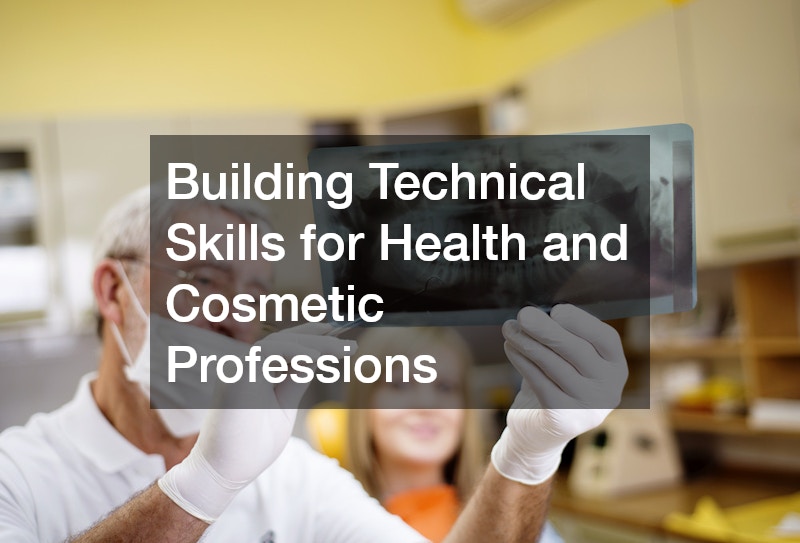
Healthcare and cosmetic professions are another category where certification beyond college is critical. These roles require specialized knowledge, precision, and the ability to adapt to rapidly evolving technology and techniques.
Actionable strategies to gain expertise:
-
Enroll in accredited programs: Choosing accredited schools ensures that training meets industry standards and is recognized for certification or licensing.
-
Participate in hands-on workshops: Practical experience is essential for mastering procedures that cannot be learned through lectures alone.
-
Seek mentorship or residency opportunities: Experienced professionals can provide guidance, feedback, and professional networking opportunities.
Careers in dentistry illustrate these principles well. Cosmetic dentists enhance smiles through aesthetic procedures, requiring both artistic skill and technical expertise. Children’s dentists focus on pediatric oral health, emphasizing techniques that make dental care approachable and safe for younger patients. In both cases, pursuing certification and specialized training helps establish credibility and ensures the highest quality of care for patients.
Securing Expertise in Finance and Advisory Roles
Careers in finance and consulting demand more than theoretical knowledge; professionals must demonstrate expertise and reliability to clients and employers. Certification is often a key differentiator in these fields.
Practical steps for advancing in finance and consulting:
-
Prepare for professional exams: Certifications, such as those for certified financial advisors, require comprehensive study and understanding of financial regulations and planning strategies.
-
Join professional associations: Membership in recognized organizations provides networking opportunities and access to resources for continuing education.
-
Attend workshops and seminars: Ongoing learning helps advisors and consultants stay current with market trends, regulatory changes, and best practices.
For example, a certified financial advisor assists clients with investments, retirement planning, and risk management. CMMC consultants specialize in cybersecurity compliance, helping organizations meet stringent industry standards. Both roles demonstrate how certifications beyond college validate expertise and open doors to higher-level opportunities.
Preparing for Careers in Veterinary and Animal Care
Veterinary medicine is a field where certification and licensure are not optional, they are critical for ensuring the health and safety of animals. Aspiring veterinarians must complete rigorous education and practical experience to qualify for licensure.
Tips for aspiring veterinarians:
-
Complete an accredited veterinary program: Ensures foundational knowledge and meets requirements for licensing exams.
-
Gain clinical experience: Internships, externships, and volunteer work provide practical skills in diagnosing and treating animals.
-
Pursue specialization if desired: Board certifications in areas like surgery, dermatology, or internal medicine enhance career opportunities and credibility.
Veterinarians work with a wide range of animals, often requiring them to adapt quickly to different medical needs. Post-college education and certification are essential to developing the technical skills, confidence, and professional judgment needed to succeed in this highly responsible profession.
Strategies for Success in High-Stakes Legal Roles

High-stakes legal careers require continuous learning, practical experience, and the ability to navigate complex situations with precision. Beyond law school, ongoing certification and professional development are essential.
Actionable tips for success:
-
Engage in specialized training programs: Focus on niche areas of law such as accident or personal injury cases.
-
Study precedent cases and legal strategies: Regularly reviewing past cases builds analytical skills and prepares attorneys for courtroom scenarios.
-
Network with peers and mentors: Building a strong professional network can provide referrals, guidance, and opportunities for growth.
Accident attorneys represent clients in claims involving injuries, property damage, or workplace accidents, often navigating intricate legal processes. Combining experience with targeted certification ensures attorneys can advocate effectively and build trust with clients.
Combining Education with Practical Experience
Education alone is rarely enough to excel in specialized professions. Practical experience is essential for applying knowledge, refining skills, and building a professional reputation.
Ways to gain hands-on experience:
-
Internships and apprenticeships: Work under the supervision of experienced professionals to gain real-world insights.
-
Mentorship programs: Learn from professionals who can provide guidance on career decisions, skill development, and networking.
-
Volunteer opportunities: Contribute to community programs or nonprofit organizations to expand practical experience and demonstrate commitment.
By integrating education and practical experience, professionals in law, healthcare, finance, and consulting can strengthen their expertise and become more competitive in their fields.
Maintaining Credentials and Staying Competitive
Once certification is achieved, maintaining it is crucial for career longevity. Continuing education, professional development, and staying updated with industry trends help professionals remain competitive.
Tips to maintain and enhance credentials:
-
Participate in workshops and continuing education programs: Stay informed about changes in laws, technology, or industry standards.
-
Join professional organizations: Access resources, mentorship, and networking opportunities.
-
Engage in peer review and feedback: Regularly evaluate performance and seek improvement to maintain high standards of practice.
Maintaining certifications ensures that professionals, from attorneys and financial advisors to dentists and veterinarians, remain credible and up-to-date in their respective fields.
Planning Your Career Path Long-Term
A long-term approach to career planning helps individuals achieve their goals while maximizing the value of advanced certifications. Mapping out short-term and long-term milestones provides clarity and direction.
Actionable career planning strategies:
-
Set clear goals: Define what certifications, positions, or specializations are needed to reach desired outcomes.
-
Explore niche opportunities: Specializations like cosmetic dentistry, CMMC consulting, or estate planning law may offer unique advantages.
-
Evaluate industry trends: Stay informed about emerging technologies, regulations, or market demands that could impact career paths.
-
Seek mentorship and professional guidance: Regular advice from experienced professionals can help navigate challenges and identify growth opportunities.
By thoughtfully planning a career path, individuals can leverage certifications and education to achieve success, establish credibility, and create long-term opportunities in competitive fields.
Careers that require post-college certification are challenging but rewarding. Advanced education, practical experience, and ongoing professional development are key components to thriving in these fields. Whether pursuing law, healthcare, finance, consulting, or veterinary medicine, additional training and certification not only enhance skills but also provide credibility, career flexibility, and opportunities for advancement.
Taking a strategic approach, assessing interests, gaining specialized education, acquiring practical experience, and maintaining professional credentials, ensures long-term success. For those willing to invest the time and effort, careers that go beyond college provide both personal satisfaction and professional growth.