Choosing the right early education environment is one of the most important decisions families make. With so many options available, it can feel overwhelming to sort through the differences and determine what best fits a child’s needs and a family’s schedule. From structured learning environments to flexible care options, today’s preschools/’>preschools offer more variety than ever before.
This guide breaks down the key differences between early education and care options, helping families make informed choices that support both development and daily life.
Table of Contents
- Understanding the Role of Preschools in Early Childhood Development
- What Sets Full-Day Preschool Programs Apart
- Exploring Daycare Service Options for Flexibility
- How Childcare Services Support Working Families
- Comparing Preschool and Private School Education Models
- The Unique Benefits of Montessori Daycare
- Evaluating Curriculum, Environment, and Teaching Style
- The Importance of Community and Values in Early Education
- Supporting Programs Through Pop off Fundraisers and Events
- Creative Ways Programs Use Gift Box Campaigns
- Making the Right Choice for Your Child and Family
- Navigating Early Education Options
Understanding the Role of Preschools in Early Childhood Development
Preschools are designed to introduce young children to structured learning in a supportive and engaging environment. These programs typically focus on foundational skills such as early literacy, social interaction, and basic problem-solving. Through play-based learning and guided activities, children begin to develop routines that prepare them for future academic success.
A high-quality preschool program emphasizes emotional development just as much as academic readiness. Teachers encourage cooperation, communication, and independence, helping children gain confidence as they interact with peers. While some programs follow a traditional curriculum, others incorporate creative approaches that adapt to different learning styles.
Families often choose this option when they want a balance between education and social development without committing to a full-day schedule. However, understanding how these programs compare to other care options is essential before making a decision. It is also worth noting that early exposure to structured environments can help children transition more smoothly into kindergarten, reducing anxiety and building familiarity with group learning settings.
Another important factor is class size. Smaller groups often allow for more individualized attention, which can be especially helpful during early developmental stages. Parents should also consider how a program handles communication, as regular updates and feedback can make a meaningful difference in tracking a child’s progress.
What Sets Full-Day Preschool Programs Apart
Full-day preschool programs provide a more comprehensive experience that blends early education with extended care. These programs are especially helpful for working families who need consistent coverage throughout the day while still prioritizing structured learning.
Unlike part-time options, full-day preschool programs offer a predictable routine that includes academic instruction, creative play, rest periods, and meals. This extended schedule allows children to engage more deeply with lessons and build stronger relationships with teachers and classmates.
Another advantage is the continuity it provides. Children are not transitioning between multiple environments during the day, which can reduce stress and improve focus. For families seeking a combination of reliability and educational value, this option often stands out as a practical and beneficial choice.
In addition, these programs often provide more opportunities for enrichment activities. Music, art, and physical movement are typically integrated into the daily schedule, giving children a well-rounded experience. Over time, this consistency can contribute to stronger developmental outcomes, especially in areas like language skills and emotional regulation.
Parents should also consider how these programs prepare children for the next stage of education. Many full-day settings incorporate kindergarten readiness benchmarks, ensuring children develop the academic and behavioral skills needed for a smooth transition. Exposure to structured routines for longer periods can also build stamina and focus, which are essential for future classroom success.
Exploring Daycare Service Options for Flexibility
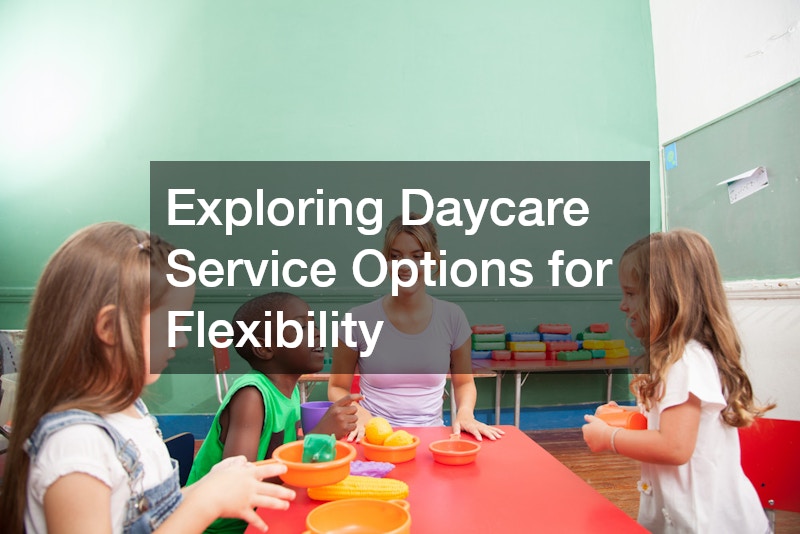
A daycare service focuses primarily on supervision and care rather than structured academic instruction. These programs are designed to provide a safe and nurturing environment where children can play, rest, and interact with others throughout the day.
Many families turn to daycare service providers when flexibility is the top priority. Hours are often more accommodating than traditional school schedules, making it easier for parents to manage work commitments. Some centers also offer drop-in care, which can be helpful for unpredictable schedules.
While the primary goal is care, many modern facilities incorporate learning activities into their daily routines. This can include storytelling, art projects, and group play, all of which contribute to early development. However, the level of academic structure may vary significantly from one provider to another.
Parents should also consider caregiver-to-child ratios when evaluating options. Lower ratios often mean more personalized attention, which can improve both safety and engagement. Touring facilities and observing how caregivers interact with children can provide valuable insight into the overall quality of care.
It is also helpful to ask about daily communication practices. Some providers offer real-time updates, photos, or summaries of a child’s day. These insights can reassure parents and strengthen the connection between home and care environments.
How Childcare Services Support Working Families
Childcare services play a vital role in helping families maintain a balance between professional responsibilities and parenting. These services range from in-home providers to larger centers, each offering different levels of structure and engagement.
One of the key benefits of childcare services is their adaptability. Families can choose schedules that fit their needs, whether that means part-time care, full-day support, or extended hours. This flexibility allows parents to remain productive while ensuring their children are in a safe and supportive environment.
In addition to supervision, many providers focus on social development. Children learn to share, communicate, and build friendships, all of which are essential skills for future success. When evaluating options, families should consider how well a provider balances care with developmental opportunities.
It is also helpful to ask about daily routines. A structured day that includes play, rest, and guided activities can create a sense of stability for children. Consistency in caregivers is another factor to keep in mind, as strong relationships contribute to emotional security and trust.
Another consideration is how providers handle transitions, such as drop-off and pick-up times. A smooth and supportive transition process can reduce stress for both children and parents, helping everyone start and end the day on a positive note.
Comparing Preschool and Private School Education Models
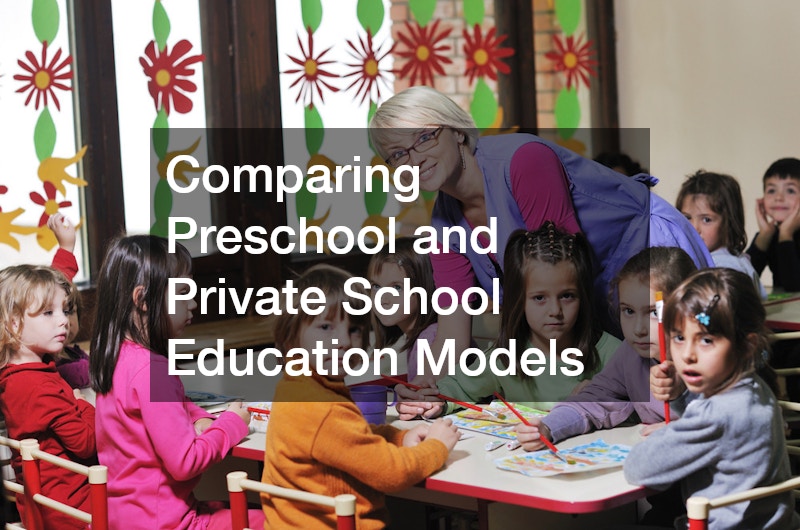
Some families explore early learning programs that align with private school education standards. These programs often emphasize smaller class sizes, individualized attention, and a more structured curriculum.
Private school education at the preschool level may include advanced learning activities, foreign language exposure, and enrichment programs such as music or art. This approach can be appealing for families who want to introduce academic rigor at an early age.
However, it is important to consider whether this level of structure matches a child’s developmental stage. While some children thrive in academically focused environments, others benefit more from play-based learning. Finding the right balance is key to ensuring a positive experience.
Cost is another consideration. Programs aligned with private school education often come with higher tuition, so families should weigh the benefits against their budget. Visiting campuses and speaking with staff can help determine whether the investment aligns with long-term goals.
Families may also want to consider long-term continuity. Some programs offer a pathway into elementary grades, which can provide stability and a consistent educational philosophy over time.
The Unique Benefits of Montessori Daycare
Montessori daycare programs follow a distinct educational philosophy that encourages independence and hands-on learning. Children are given the freedom to explore activities at their own pace, guided by trained educators who observe and support their progress.
In a Montessori daycare setting, classrooms are carefully designed to promote curiosity and self-directed learning. Materials are accessible, and children are encouraged to make choices about how they spend their time. This approach helps build confidence and problem-solving skills.
Families who value independence and personalized learning often find this model appealing. It offers a different perspective compared to traditional programs, focusing on the child’s natural interests rather than a fixed curriculum.
Another benefit is the mixed-age classroom structure often found in these programs. Younger children learn by observing older peers, while older children reinforce their knowledge by helping others. This dynamic creates a collaborative environment that supports both academic and social growth.
Parents may also appreciate the calm and orderly atmosphere often found in Montessori settings. This environment encourages focus and respect, helping children develop self-discipline and a sense of responsibility.
Evaluating Curriculum, Environment, and Teaching Style
When choosing between options, it is essential to look beyond labels and focus on what each program actually offers. Curriculum, environment, and teaching style all play a significant role in a child’s experience.
Some preschools emphasize structured lessons, while others prioritize play-based exploration. Observing a classroom in action can provide valuable insight into how children interact and how teachers guide learning. Families should look for environments that feel welcoming, organized, and engaging.
Teacher qualifications and communication style are also important factors. A strong connection between educators and families can make a meaningful difference in a child’s development. Asking questions and visiting multiple programs can help narrow down the best fit.
Safety measures should also be reviewed carefully. Secure entrances, clear emergency procedures, and well-maintained facilities all contribute to peace of mind. Cleanliness and organization can also reflect how well a program is managed on a daily basis.
Families should also consider how programs handle discipline and conflict resolution. Positive guidance strategies that focus on teaching rather than punishment can foster a healthier and more supportive learning environment.
The Importance of Community and Values in Early Education
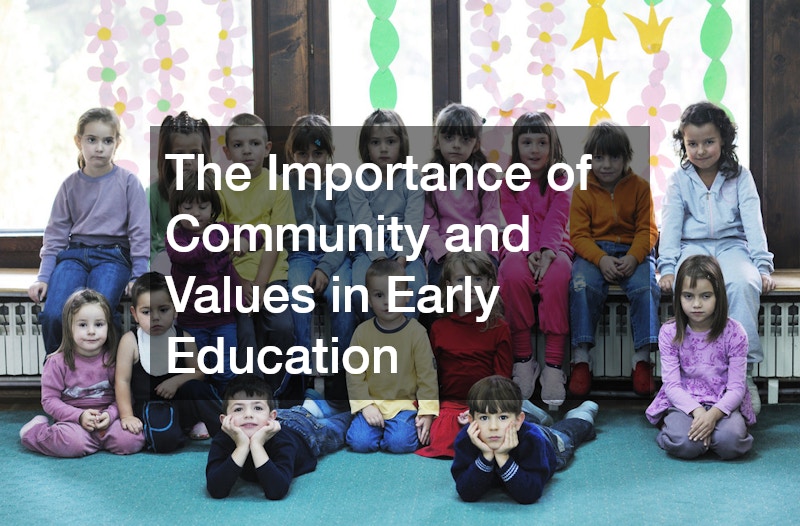
Beyond academics and care, many families consider the values and community connections of a program. Some centers partner with local organizations, including those tied to a catholic charity, to support families and provide additional resources.
These partnerships can create a sense of belonging and purpose within the program. Activities such as community events, service projects, and family engagement opportunities help strengthen relationships and build trust.
For some families, aligning with a program that reflects their values is just as important as curriculum or schedule. Taking the time to explore these aspects can lead to a more meaningful and supportive experience.
Programs that emphasize community often encourage parental involvement as well. This can include volunteer opportunities, family events, and open communication channels that keep everyone connected and informed.
Supporting Programs Through Pop off Fundraisers and Events
Many early education centers rely on community involvement to enhance their offerings. Popoff fundraisers are one example of how programs raise funds to support classroom materials, facility improvements, and special activities.
These events often bring families together in a fun and engaging way. From product sales to seasonal events, fundraisers create opportunities for participation and connection. They also help ensure that programs can continue to provide high-quality experiences for children.
Participation in Popoff fundraisers can also teach children valuable lessons about teamwork and contribution. Even at a young age, they begin to understand the importance of supporting their community and working toward shared goals.
In many cases, these events become traditions that families look forward to each year. They strengthen bonds within the program and create lasting memories for both children and parents.
Creative Ways Programs Use Gift Box Campaigns
Fundraising efforts often include creative initiatives such as a gift box campaign. These programs allow families and community members to contribute while receiving something meaningful in return.
A gift box may include themed items, seasonal treats, or educational materials. These campaigns are not only effective for raising funds but also help build excitement and engagement within the community.
They can also be tailored to reflect the identity of a program. For example, a school might create themed boxes that align with classroom activities or seasonal events, adding a personal touch that resonates with families.
These campaigns also provide an opportunity for children to feel involved. Helping pack or promote a gift box can give them a sense of pride and connection to their learning environment.
Making the Right Choice for Your Child and Family

Selecting the right early education option requires careful consideration of multiple factors. Every family has unique needs, and what works well for one child may not be the best fit for another.
Start by identifying priorities. Consider schedule, location, budget, and educational goals. Visiting programs, asking questions, and observing interactions can provide valuable insight. It is also helpful to trust instincts and choose an environment that feels comfortable and supportive.
Creating a short list of options can make the process more manageable. Comparing features side by side helps highlight differences and clarify which program aligns most closely with family needs.
It may also be helpful to speak with other parents and read reviews. Firsthand experiences can provide insight that is not always visible during a tour, helping families make more confident decisions.
Navigating Early Education Options
The landscape of early childhood education continues to evolve, offering families more choices than ever before. From structured learning environments to flexible care solutions, each option has its own strengths and benefits.
Understanding the differences between a daycare service, structured learning programs, and alternative approaches such as Montessori daycare can make the decision process clearer. By focusing on a child’s needs and a family’s priorities, it becomes easier to find the right fit.
Ultimately, the best choice is one that supports both development and daily life. With thoughtful research and careful consideration, families can confidently select a program that sets the stage for future success.