- What to Look for When Selecting Child Care Services
- 1. Safety and Cleanliness
- 2. Qualified and Caring Staff
- 3. Low Child-to-Caregiver Ratios
- 4. Age-Appropriate Curriculum and Activities
- 5. Clear Communication with Parents
- 6. Consistent Routines
- 7. Positive Learning Environment
- 8. Policies and Accreditation
- 9. A Philosophy that Aligns with Your Values
- 10. Recommendations and Reputation
What to Look for When Selecting Child Care Services
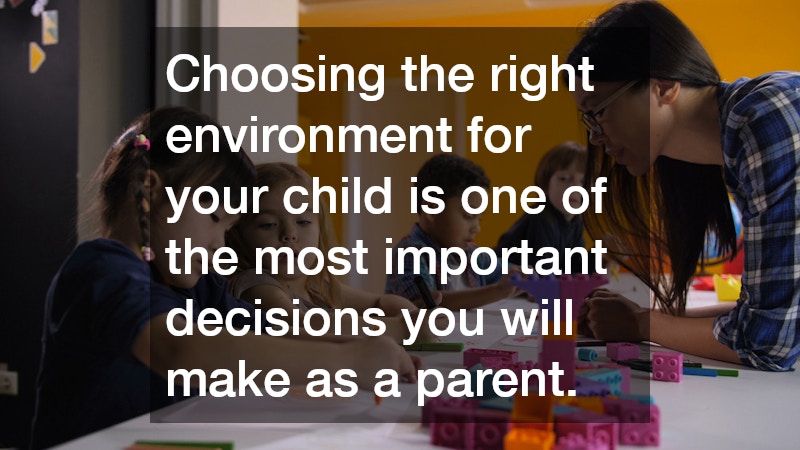
Choosing the right environment for your child is one of the most important decisions you will make as a parent. Whether you’re returning to work, seeking structured social interaction for your child, or simply needing occasional support, the care setting you choose will influence your child’s development, safety, and well-being. With so many options available—daycare centers, home-based programs, nannies, preschools—it can be difficult to know which direction to take. Understanding what to look for can help you make a confident, informed choice.
1. Safety and Cleanliness
The foundation of any reliable care setting is safety. When touring potential programs, observe both the physical space and the routines in place.
Rooms should be clean, well-lit, and free of clutter. Safety gates, outlet covers, and secure storage for hazardous materials are essential. Outdoor areas need to be properly fenced and maintained. Ask about emergency procedures, staff training in CPR and first aid, and how illnesses or injuries are handled. A safe environment allows children to explore confidently without unnecessary risks.
2. Qualified and Caring Staff
The caregivers and teachers in a program shape your child’s daily experience. Look for staff members who are warm, patient, and genuinely interested in children. Strong qualifications—such as degrees in early childhood education, ongoing professional development, and relevant certifications—indicate a commitment to high-quality care. Equally important is observing how staff interact with children: Are they engaged? Do they get down to the child’s level to communicate? Do they guide behavior with positive reinforcement rather than punishment? The relationships formed in these early years are essential for emotional and social development.
3. Low Child-to-Caregiver Ratios
A smaller ratio of children to caregivers allows for more individualized attention. This becomes especially important for infants and toddlers who rely on consistent interaction for comfort and learning. Ratios vary depending on the child’s age, but lower numbers generally mean caregivers have the capacity to meet each child’s needs promptly. Ask programs about their ratios and how they maintain them throughout the day, including during breaks or staff absences.
4. Age-Appropriate Curriculum and Activities
High-quality childcare service programs provide children with opportunities to grow intellectually, socially, and physically. Look for a structured yet flexible curriculum that includes activities such as reading, sensory play, music, group time, outdoor exploration, and creative arts. For infants, stimulation should come through simple interactions like singing or tummy-time. For older children, activities should encourage problem-solving, independence, and cooperation. The best programs foster curiosity while allowing children to learn at their own pace.
5. Clear Communication with Parents
Strong communication builds trust between families and caregivers. Programs should have clear policies for sharing updates, whether through daily reports, photos, messaging apps, or regular meetings. Ask how they communicate developmental milestones, behavioral concerns, or changes in routine. Open communication ensures that you stay connected to your child’s daily experiences and can collaborate with caregivers when challenges arise.
6. Consistent Routines
A predictable daily schedule helps children feel secure. Check how the program organizes meals, naps, playtime, and learning activities. Consistency does not mean rigidity—good programs allow for flexibility when needed—but having a routine helps children adjust and reduces stress. For younger children, routines support healthy sleep and feeding habits. For preschoolers, schedules help them transition smoothly between activities.
7. Positive Learning Environment
The overall atmosphere of the care setting should feel warm, welcoming, and child-centered. Look for spaces filled with age-appropriate toys, books, and materials that encourage exploration. Pay attention to how children behave in the environment—do they seem happy, engaged, and comfortable? Are there opportunities for both independent and group play? Environments that encourage creativity, cooperation, and self-expression contribute significantly to early development.
8. Policies and Accreditation
Reputable programs will have clear policies on illness, discipline, communication, nutrition, and enrollment. Take the time to review these guidelines and ensure they align with your expectations. You may also want to look for programs that have earned accreditation from recognized organizations. Accreditation indicates that the program meets high standards in safety, education, and caregiver training.
9. A Philosophy that Aligns with Your Values
Every program has a philosophy—whether based on play-based learning, structured academics, Montessori principles, or a blend of approaches. Understanding the philosophy helps you determine whether it supports your parenting style and your child’s learning needs. Trusting the approach of the program makes it easier to build a strong partnership with caregivers.
10. Recommendations and Reputation
Finally, take the time to seek out reviews from other parents. Recommendations from friends, family, or coworkers can be incredibly valuable. Online reviews also offer insights into the experiences of other families. While no program is perfect, consistent positive feedback is a good sign of reliability and quality.
Choosing the right child care services is ultimately about finding a place where your child feels secure, supported, and inspired to learn. By paying attention to safety, staff qualifications, communication, curriculum, and overall environment, you can select a program that aligns with your child’s needs and your family’s values. With careful research and thoughtful observation, you can feel confident in choosing child care services that will nurture your child’s growth and well-being for years to come. When you invest time into selecting the right child care services, you help lay the foundation for a positive, enriching early childhood experience.