
The global engineering landscape is undergoing a massive transformation. Driven by rapid technological advancements, shifting economic demands, and an urgent need for sustainable infrastructure, the modern engineer is no longer confined to a traditional desk or a standard assembly line. Today’s engineering career paths require a sophisticated blend of analytical thinking, hands-on practical knowledge, and cross-disciplinary expertise. Aspiring professionals and seasoned veterans alike must look beyond conventional job titles to find sectors where innovation meets long-term stability.
Choosing a career path in this evolving environment requires looking at how theoretical designs integrate with physical, real-world execution. Below, we explore ten smart engineering career paths that offer robust career longevity, high earning potential, and deep intellectual satisfaction.
- 1. Aerospace Facilities and Structural Engineering
- 2. Marine Infrastructure and Coastal Engineering
- 3. Maritime Logistics and Systems Engineering
- 4. Advanced Manufacturing and Precision Automation Engineering
- 5. Heavy Powertrain and Fleet Mobility Engineering
- 6. Civil and Structural Concrete Engineering
- 7. Environmental and Sanitation Infrastructure Engineering
- 8. Hydraulic and Aquatic Facilities Engineering
- 9. Industrial Security and Perimeter Infrastructure Engineering
- 10. Field Operations and Ergonomic Safety Engineering
1. Aerospace Facilities and Structural Engineering
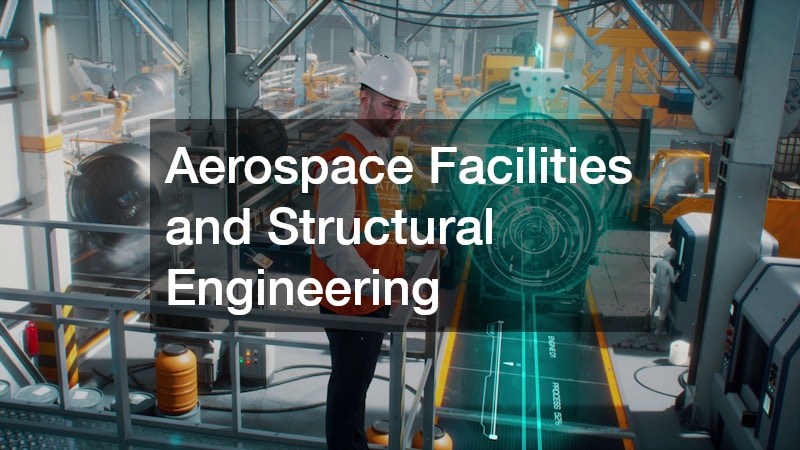
Aerospace engineering is often associated with aerodynamics and rocket propulsion, but a critical, highly specialized subset of this field focuses on the massive physical infrastructure required to support aviation and space exploration. Aerospace facilities engineers are responsible for designing, building, and maintaining the highly controlled environments where commercial jets, military aircraft, and spacecraft are manufactured, stored, and serviced. These environments must withstand extreme environmental conditions, manage massive structural loads, and incorporate sophisticated mechanical systems to ensure safety and operational efficiency.
The structural challenges within this sector are immense. Engineers must design expansive clear-span buildings that completely eliminate internal supporting columns to allow for the movement of massive aircraft. This discipline requires an intimate understanding of advanced structural steel design, seismic resistance, and specialized mechanical interfaces. For instance, designing the entryways for these structures involves complex mechanical engineering to manage large-scale kinetic systems, such as managing the tolerances required for a massive hangar door installation. These systems require complex counterweights, precise electrical drive tracks, and fail-safe sensors to operate safely under intense wind loads, making structural facilities engineering a highly technical and rewarding path.
Key Responsibilities and Skill Sets
Structural Optimization:
Designing large-span steel and concrete structures that provide unobstructed operational spaces for advanced manufacturing.
Kinetic Architecture:
Integrating heavy mechanical systems into static building designs to facilitate the movement of large assets.
Environmental Control Systems:
Developing complex HVAC and cleanroom systems to prevent contamination during delicate aerospace assembly processes.
Regulatory Compliance:
Ensuring all facilities conform strictly to aviation authority regulations and occupational safety protocols.
2. Marine Infrastructure and Coastal Engineering
As global trade continues to expand and the effects of climate change alter coastal landscapes, marine infrastructure engineering has emerged as an incredibly vital discipline. This career path focuses on the design, construction, and maintenance of structures located within or adjacent to large bodies of water. Marine engineers work on projects ranging from deep-water ports and naval bases to public transport waterways and residential shorelines. The primary challenge in this field is creating resilient designs that can withstand the highly corrosive nature of saltwater, unpredictable wave energy, and shifting soil foundations.
Engineers in this sector spend significant time analyzing fluid dynamics, soil mechanics, and material sciences to develop long-lasting maritime assets. A major focus of their day-to-day work involves designing and optimizing stable structures like deep-water berths, breakwaters, and commercial boat docks. These projects require careful calculation of hydrostatic pressures, impact forces from mooring vessels, and the ecological impact on local marine life. By selecting corrosion-resistant composites and specialized treated materials, marine infrastructure engineers ensure that coastal shipping hubs and recreational water facilities remain safe and functional for decades.
Core Focus Areas
Hydrodynamic Modeling:
Utilizing advanced computational fluid dynamics (CFD) software to simulate wave actions and currents against coastal structures.
Geotechnical Engineering:
Assessing underwater soil stability and designing deep-pile foundations capable of supporting immense vertical and lateral loads.
Material Science Innovation:
Testing and implementing next-generation alloys, polymers, and treated timbers that resist marine boring organisms and saltwater degradation.
3. Maritime Logistics and Systems Engineering
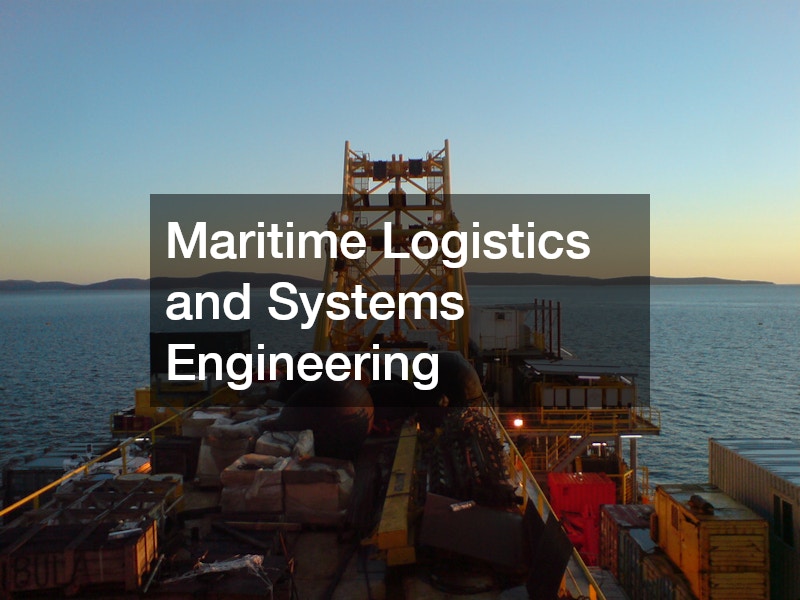
While marine infrastructure focuses on stationary coastal assets, maritime logistics and systems engineering deal with the dynamic systems, vessels, and supply chain networks that move goods across the globe. This engineering career path blends mechanical engineering, naval architecture, and industrial logistics. Professionals in this space are responsible for optimizing shipboard systems, designing efficient cargo-handling machinery, and creating integrated technological solutions that streamline maritime commerce.
A fascinating aspect of this field is the connection between high-level manufacturing engineering and consumer-facing distribution networks. Maritime systems engineers frequently collaborate with commercial boat dealers to understand the evolving performance demands of both consumer and commercial clients. These collaborations help engineers optimize hull designs, integrate fuel-efficient hybrid propulsion systems, and refine onboard electronic navigation systems.
Career Pathways and Specializations
Propulsion System Design:
Developing cleaner, more efficient internal combustion, electric, and hybrid marine engines.
Naval Architecture:
Designing hull geometries that optimize hydrodynamics, stability, cargo capacity, and fuel efficiency.
Supply Chain Automation:
Implementing automated crane systems, smart sorting tracking, and digital logistics platforms at major ports.
4. Advanced Manufacturing and Precision Automation Engineering
The manufacturing sector has moved far beyond manual assembly lines, transitioning into a highly digitalized, automated ecosystem known as Industry 4.0. Precision automation engineers sit at the center of this revolution. This career path focuses on designing, programming, and optimizing advanced manufacturing cells that utilize robotics, computer numerical control (CNC) systems, and multi-axis machining centers to produce highly complex components with micron-level tolerances.
Engineers specializing in this field must understand both the digital software side and the physical hardware side of production. They regularly design workflows for a modern CNC machine shop, where automated tools cut, mill, and shape metals and composites based on complex CAD models. The automation engineer’s role is to program these robotic workflows, minimize material waste through advanced nesting algorithms, and integrate real-time quality control sensors that detect defects instantly.
Essential Technical Competencies
Robotic Programming and Integration:
Configuring multi-axis robotic arms to perform precise welding, assembly, and material handling tasks.
Subtractive and Additive Manufacturing:
Mastering both traditional precision machining methods and industrial 3D printing technologies.
Digital Twin Simulation:
Creating comprehensive virtual models of production floors to test and optimize manufacturing processes before physical deployment.
5. Heavy Powertrain and Fleet Mobility Engineering

Transportation engineering isn’t limited to designing highways or electric passenger cars; a massive sector of the economy relies entirely on heavy-duty vehicles, industrial machinery, and massive logistics fleets. Heavy powertrain engineers specialize in the design, diagnostics, and optimization of high-output internal combustion engines, heavy-duty transmissions, and hydraulic systems used in construction equipment, freight trucks, agricultural machinery, and military vehicles.
This field bridges the gap between theoretical thermodynamic modeling and rugged field mechanics. Engineers in this space must understand the practical service realities faced by the technicians who maintain these machines. Developing a background that respects or includes experience as a diesel mechanic provides invaluable insights into component accessibility, modular design, and real-world durability under harsh operational stresses. Fleet mobility engineers focus on maximizing torque efficiency, reducing carbon emissions through advanced exhaust after-treatment systems, and designing rugged telematics platforms that predict mechanical failure before it happens in the field.
Industry Driving Forces
Emission Reduction Technologies:
Designing advanced selective catalytic reduction (SCR) systems and particulate filters to meet strict international environmental standards.
Alternative Fuels Research:
Exploring the integration of hydrogen fuel cells, biodiesel, and heavy-hybrid powertrains into industrial vehicle fleets.
Telematics and Remote Diagnostics:
Engineering IoT sensor arrays that transmit real-time engine health data to centralized fleet management software.
6. Civil and Structural Concrete Engineering
Every piece of modern infrastructure—from towering skyscrapers and highway overpasses to massive water treatment plants—relies fundamentally on structural concrete. Civil engineers specializing in concrete construction focus on the chemistry, physics, and structural design of this vital material. This career path is ideal for those who enjoy seeing their calculations turn into massive, permanent physical landmarks that define the built environment.
Concrete engineering requires deep expertise in structural analysis, reinforcing steel layout (rebar), and mix-design chemistry. These professionals spend their time modeling structural stresses using finite element analysis (FEA) software and coordinating with onsite construction teams. They often oversee or consult for a local concrete construction firm to ensure that high-strength mixes are poured, vibrated, and cured under exact environmental specifications.
Critical Engineering Milestones
Advanced Mix Design:
Developing specialized concrete formulas, such as self-consolidating, ultra-high-performance, or carbon-negative concrete.
Seismic and Wind Analysis:
Designing structural frameworks that safely absorb and dissipate the immense kinetic energy of earthquakes and hurricanes.
Asset Lifecycle Management:
Utilizing non-destructive testing (NDT) methods like ground-penetrating radar to evaluate the health of aging concrete structures.
7. Environmental and Sanitation Infrastructure Engineering
As urban populations continue to grow, managing municipal waste, wastewater treatment, and sanitation systems has become one of the most critical engineering challenges of our time. Environmental and sanitation engineers design the hidden networks that keep cities clean, safe, and disease-free. This career path encompasses large-scale municipal water reclamation facilities, hazardous waste management programs, and decentralized residential sanitation infrastructure.
While large municipal plants handle high-density areas, a massive portion of environmental engineering involves managing decentralized systems in suburban and rural zones. Engineers in this field design complex subterranean filtration systems, commercial holding tanks, and soil absorption fields. They must understand the hydraulic modeling required to manage wastewater flow and coordinate the lifecycle maintenance of these systems, which includes establishing protocols for regular septic pumping and waste processing.
Focus Areas for Sustainable Sanitation
Wastewater Reclamation:
Engineering advanced multi-stage treatment processes that turn sewage into safe, reusable water.
Subterranean Hydraulic Design:
Modeling gravity-fed and pressurized pipe networks to safely transport domestic and industrial waste without leakage.
Groundwater Protection:
Designing impermeable synthetic liners, monitoring wells, and advanced filtration fields to safeguard natural aquifers.
8. Hydraulic and Aquatic Facilities Engineering
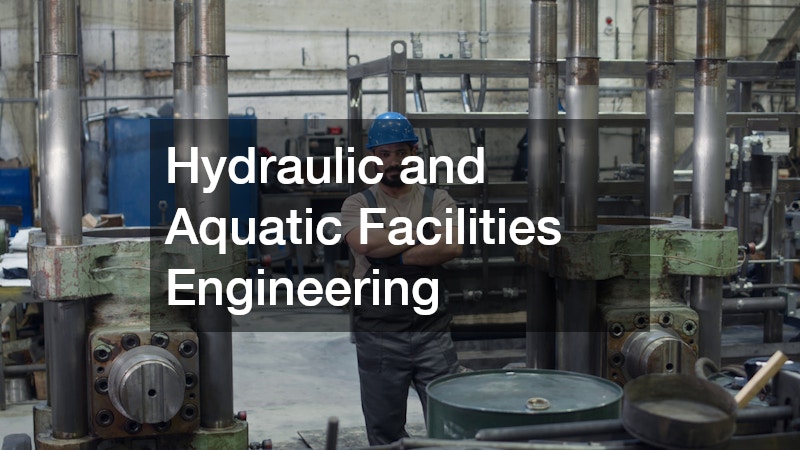
Hydraulic engineering focuses on the flow and conveyance of fluids, principally water and sewage. A highly specialized and profitable niche within this discipline is aquatic facilities engineering, which deals with the design, thermal regulation, and chemical balance of large-scale water containment systems. This includes Olympic swimming complexes, massive water parks, commercial resort lagoons, and specialized marine research aquariums.
Engineers in this sector face unique challenges involving fluid mechanics, thermodynamics, and biochemistry. They must design high-capacity circulation systems that completely filter and sanitize thousands of gallons of water every hour while maintaining precise temperature controls. This career path requires deep knowledge of automated chemical dosing, advanced UV sterilization, and variable-frequency drive (VFD) pumping systems. On a commercial scale, the systems mimic the automated chemical and filtration processes managed by a professional Pool Service, but scaled up to industrial proportions.
Key Technical Challenges
High-Volume Filtration Systems:
Designing regenerative media filters and high-rate sand filtration systems to maintain absolute water clarity.
Thermodynamic Heating and Cooling:
Engineering energy-efficient heat pumps, geothermal loops, and heat exchangers to regulate large aquatic volumes.
Automated Chemical Dynamics:
Implementing closed-loop sensor systems that continuously monitor and adjust pH, oxidation-reduction potential (ORP), and sanitizer levels.
9. Industrial Security and Perimeter Infrastructure Engineering
In an era of heightened security risks, protecting critical physical assets—such as power grids, data centers, chemical plants, and military bases—has become a top priority for governments and corporations worldwide. Industrial security and perimeter engineering is a fast-growing field that focuses on designing robust physical barriers, access control points, and advanced surveillance integration to defend facilities against unauthorized entry, vehicular attacks, and espionage.
This field combines structural engineering with cutting-edge electronic security systems. Perimeter engineers analyze threat matrices, calculate crash-test ratings for vehicular barriers, and design structural reinforcements that deter forced entry. They work hand-in-hand with an experienced industrial fence company to specify high-tensile steel fencing, anti-climb geometries, and anti-ram cable systems integrated into the perimeter foundations.
Comprehensive Security Frameworks
Crash-Rated Barrier Design:
Engineering bollards, gates, and wedge barriers rated to completely stop high-speed, heavy vehicular impacts.
Anti-Climb and Delay Physics:
Designing physical barriers that maximize the time required for an intruder to breach a perimeter, allowing security teams to respond.
Sensory System Integration:
Overlaying fiber-optic intrusion detection cables, microwave sensors, and AI-driven video analytics onto physical fencing structures.
10. Field Operations and Ergonomic Safety Engineering
No matter how brilliant an engineering design is on paper, it must eventually be executed, built, and maintained in the physical world. Field operations and safety engineers focus on the human element of engineering. They bridge the gap between abstract design blueprints and the actual technicians, construction workers, and operators who execute the work on-site. Their primary objective is to optimize industrial workflows, improve operational ergonomics, and implement strict safety protocols to completely eliminate workplace hazards.
Field engineers must have a deep understanding of human factors engineering, industrial hygiene, and protective equipment. They analyze the physical stress placed on workers during heavy lifting, repetitive assembly tasks, and exposure to extreme environments. This job involves evaluating everything from heavy machinery control layouts to the foundational gear workers wear every day. For example, ensuring that field crews have access to premium protective gear, such as specialized work boots for sale that offer steel-toe protection, metatarsal guards, and slip-resistant soles, is a basic but essential component of mitigating workplace injuries.
Strategic Safety Practices
Job Hazard Analysis (JHA):
Systematically reviewing field procedures to identify potential risks and engineering them out of the process.
Ergonomic Workspace Optimization:
Designing assembly lines, heavy machinery cabs, and tool interfaces to reduce repetitive strain injuries and worker fatigue.
PPE Innovation and Selection:
Testing and deploying advanced protective garments, smart wearables, and industrial footwear tailored to specific field conditions.
The field of engineering continues to expand, offering a diverse array of paths for professionals who are eager to solve complex, real-world problems. The career paths highlighted above demonstrate that smart engineering is not just about computing data in an isolated office; it is about understanding how raw materials, automated machinery, infrastructure networks, and human beings interact in demanding environments.
As you plan your professional trajectory, look for sectors that offer a healthy balance of technical challenge, market demand, and hands-on application. By specializing in fields that require an understanding of both advanced software tools and rugged physical execution, you will make yourself indispensable to an industrial economy that relies on safety, efficiency, and continuous innovation. The future belongs to engineers who can look at a complex digital design and safely, successfully bring it to life in the physical world.