The educational journey through early childhood represents one of the most transformative and foundational periods in a young child’s life. From the moment parents first begin researching care options shortly after birth to the morning their child proudly steps into a formal elementary classroom, each distinct stage builds directly upon the previous one. Understanding this developmental continuum helps families make thoughtful, well-informed decisions that support emotional health, cognitive growth, and physical stability.
During the first few months of life, families often seek nurturing environments that offer safety, reliable scheduling, and rich sensory stimulation. Entering an infant daycare setting provides babies with structured opportunities to observe others, listen to varied speech patterns, and experience calm, predictable daily routines. These early environments prioritize responsive caregiving from attentive staff, ensuring that basic needs for comfort, sleep, and feeding are met promptly while gently encouraging early cognitive and visual awareness.
As children grow beyond early infancy, their developmental needs naturally evolve toward greater social engagement and environmental exploration. Enrolling a child in a high-quality daycare setting allows them to experience consistent social interactions outside the immediate home environment. These early learning centers foster fundamental social trust, helping young children learn to feel secure around familiar adults while beginning to explore shared play spaces. Establishing this profound sense of security early in life forms the essential foundation for all future learning experiences as children move through subsequent educational milestones.
Table of Contents
- Nurturing Curiosity and Social Foundations
- Developing Physical Coordination and Spatial Skills
- Expanding Learning Through Seasonal Programs
- Evaluating Educational Paths for Academic Readiness
- Supporting Emotional and Sensory Growth at Home
- Enhancing Creativity and Motor Expression
- Balancing Structured Care and Play-Based Learning
- Preparing for Structured Classroom Schedules
- Ensuring a Smooth Transition into Primary Education
Nurturing Curiosity and Social Foundations
As children move from babyhood into toddlerhood, their natural desire to explore their immediate environment expands rapidly. Between the ages of one and three, children undergo dramatic shifts in language acquisition, motor control, and peer awareness. Structured care environments adapt seamlessly to these dynamic changes by introducing play-based learning models that encourage active discovery, curiosity, and creative problem-solving.
Caregivers and early childhood educators design purposeful activities for toddlers to help them practice fine motor control, physical balance, and early communication techniques. Group story sessions, sensory bins filled with varied textured materials, and simple cause-and-effect toys allow young children to experiment safely with their surroundings. These everyday experiences encourage toddlers to express natural curiosity while developing the foundational language needed to voice their wants, thoughts, and feelings to peers and caregivers alike.
This dynamic age range also marks the traditional entry point for enrolling in a dedicated nursery school program. In these supportive educational settings, the primary emphasis shifts slightly toward helping toddlers navigate group dynamics and shared daily routines. Children begin learning how to gather together for brief circle times, share attractive play items, and transition smoothly between different classroom tasks. By focusing on gentle routines and cooperative play, these early group environments build self-confidence and teach children how to function comfortably within a group of peers.
Developing Physical Coordination and Spatial Skills
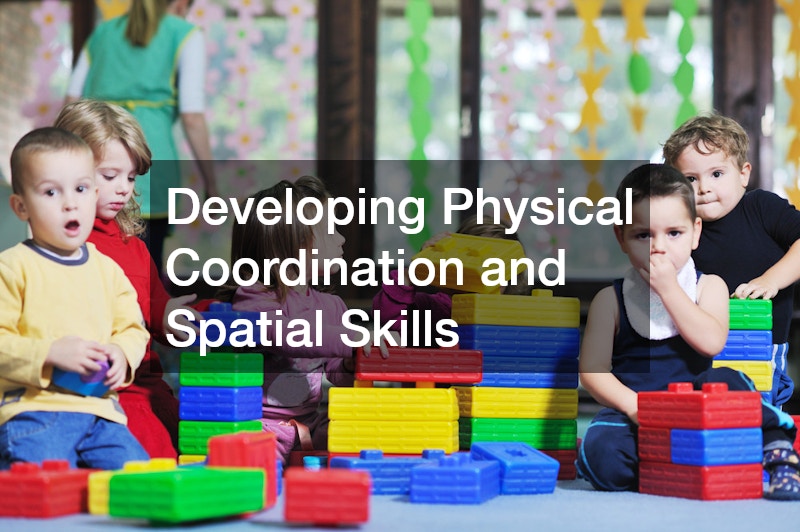
Physical development during early childhood is intrinsically linked to cognitive growth and emotional regulation. As young children master independent walking and running, they require structured physical outlets that challenge their spatial awareness, agility, and balance. Incorporating structured physical movement programs into early routines helps children build muscular strength, core stability, and personal confidence.
Participating in structured movement classes such as preschool gymnastics offers children a joyful, highly organized environment to test their physical capabilities. Running across padded mats, balancing on low beams, and practicing fundamental tumbling exercises strengthen core muscles while enhancing body spatial awareness. Furthermore, these physical activities teach valuable personal skills such as following multi-step directions, waiting patiently in line, and persevering through minor physical challenges in a supportive setting.
Creative expression plays an equally vital role in fine motor refinement and intellectual flexibility. Enrolling young children in art camps gives them wonderful opportunities to explore painting, sculpting, and handcrafting without the fear of making a mess. Working with modeling clay, grasping paintbrushes, and tearing paper refines finger dexterity and hand-eye coordination. These artistic experiences encourage children to think flexibly, make decisions independently, and discover genuine pride in creating something uniquely their own.
Expanding Learning Through Seasonal Programs
As children continue to mature, their cognitive and social needs extend beyond standard weekly classroom routines. Seasonal educational programming offers fantastic opportunities to introduce novel concepts, spark fresh creative interests, and keep young minds actively engaged during standard school breaks. Combining seasonal enrichment with core early childhood education creates a wonderfully well-rounded development experience.
Enrolling children in vibrant summer camps allows them to break away from standard indoor routines and explore exciting new subjects. These specialty programs often feature thematic weeks centered on environmental science, dramatic arts, outdoor athletics, or hands-on building projects. Beyond the clear cognitive and physical benefits, seasonal camps give children valuable practice meeting new peers and adapting to different instructors, building emotional resilience and flexibility in unfamiliar social settings.
These energetic seasonal opportunities complement the steady academic structure provided by a traditional preschool setting. In a formal early classroom environment, children follow a clear daily schedule that balances guided group instruction with self-directed exploration centers. Early childhood teachers introduce structured literacy concepts, basic math, and scientific inquiry through interactive projects. This harmonious combination of consistent year-round education and dynamic seasonal programs keeps children enthusiastic about learning and eager to acquire new skills.
Evaluating Educational Paths for Academic Readiness
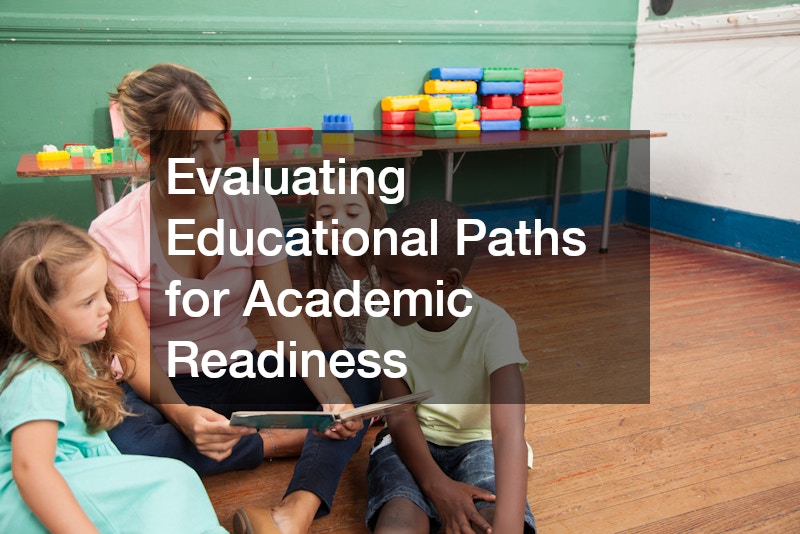
When families begin preparing for formal primary education, they frequently compare various institutional philosophies to determine which environment best suits their child’s unique personality and learning style. Examining the structure, curriculum density, and educational approach of different school systems helps parents align their early choices with long-term family goals.
Many families choose to research the benefits of prep schools when seeking an educational environment characterized by low student-to-teacher ratios and specialized academic programming. Independent preparatory institutions often feature tailored curricula that emphasize early language exposure, advanced problem-solving techniques, and structured character development. These schools aim to cultivate intellectual confidence and critical thinking skills from a very young age, creating a robust foundation for future academic endeavors.
Regardless of the specific educational path chosen, the main goal remains guiding the child toward a smooth, confident transition into kindergarten. This major milestone marks the formal beginning of elementary education, where children are expected to demonstrate personal independence, follow multi-step directions, and cooperate smoothly within larger groups of peers. A thoughtful early education roadmap ensures that children enter this new phase feeling fully capable, resilient, and excited to participate in classroom learning.
Supporting Emotional and Sensory Growth at Home
While formal early learning centers provide essential structural support, a child’s home environment remains the primary foundation for ongoing emotional regulation and intellectual curiosity. Parents and caregivers can easily reinforce the valuable concepts taught in professional centers by creating simple, engaging learning opportunities during everyday household routines.
Parents can easily incorporate targeted activities for toddlers into daily home life to foster personal independence and intellectual growth. Simple tasks like sorting laundry by color, counting spoons while setting the dinner table, or planting seeds in small pots teach practical life skills while reinforcing basic math and science concepts. These relaxed, engaging home experiences build upon classroom learning, boosting a child’s confidence as they master real-world tasks alongside family members.
For families with very young children, maintaining open communication and routine consistency between the home and their chosen infant daycare program is essential for smooth emotional development. Sharing detailed information about sleep patterns, comforting techniques, and feeding routines with professional caregivers ensures a seamless transition between home and center care. When infants experience consistent care across both settings, they develop a deep sense of security that allows them to explore their surrounding environment with total confidence.
Enhancing Creativity and Motor Expression
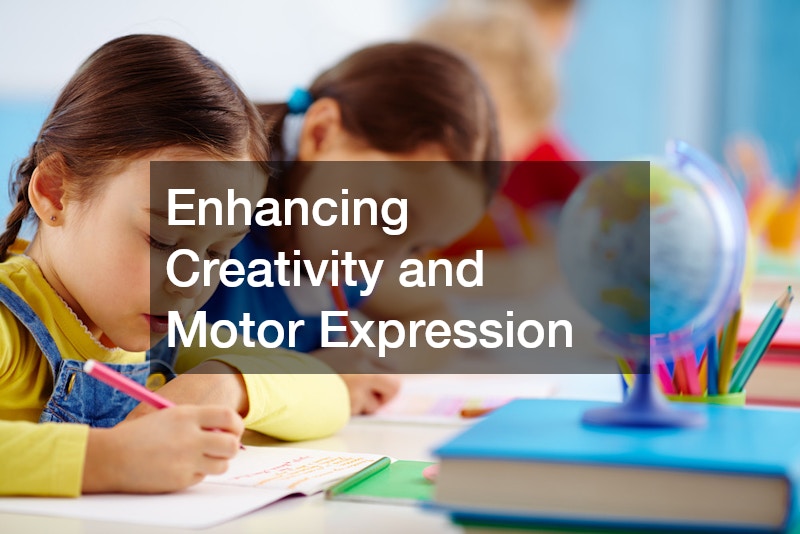
As young children progress through early developmental stages, balancing vibrant physical energy with focused creative expression becomes increasingly important. Providing a diverse mix of hands-on art projects and structured physical movement helps children develop both creative and analytical pathways while discovering unique personal interests.
Attending specialized art camps gives young children a dedicated space to experiment freely with color, texture, shape, and visual design. Working on multi-step creative projects over several days teaches children patience, focus, and basic project planning. Rather than focusing strictly on the finished product, these artistic experiences emphasize the joy of exploration, allowing children to express complex thoughts and emotions that they might not yet have the precise vocabulary to articulate.
Complementing artistic exploration with structured physical activity ensures well-rounded physical and mental development. Organized programs like preschool gymnastics allow children to channel their high energy into constructive, goal-oriented movement patterns. Learning to land safely on soft mats, jump with both feet together, and navigate challenging obstacle courses builds bodily control and physical resilience. Balancing artistic expression with physical movement teaches children how to focus deeply in varied environments, whether quiet and reflective or dynamic and energetic.
Balancing Structured Care and Play-Based Learning
One of the most essential considerations in early childhood education is establishing a harmonious balance between teacher-guided instruction and self-directed play. Early childhood experts consistently emphasize that young children learn most effectively when granted ample time to explore their environment through unstructured, play-based activities supported by attentive caregivers.
Selecting a balanced daycare provider ensures that children receive both warm nurture and structured daily learning opportunities. Quality early learning centers schedule generous blocks of uninterrupted free play where children select their own activities, balanced alongside brief, interactive group lessons that introduce foundational concepts like daily calendar tracking and story comprehension. This balanced approach prevents fatigue while keeping young minds curious, enthusiastic, and ready to participate in daily activities.
Similarly, a well-structured nursery school places social interaction and cooperative play at the heart of its educational curriculum. Through collaborative building projects, imaginative play corners, and shared outdoor playtime, children learn vital social rules such as active sharing, empathy, and constructive negotiation. These natural peer interactions allow children to practice emotional self-regulation and problem-solving in real time, building social maturity that supports their educational journey for years to come.
Preparing for Structured Classroom Schedules
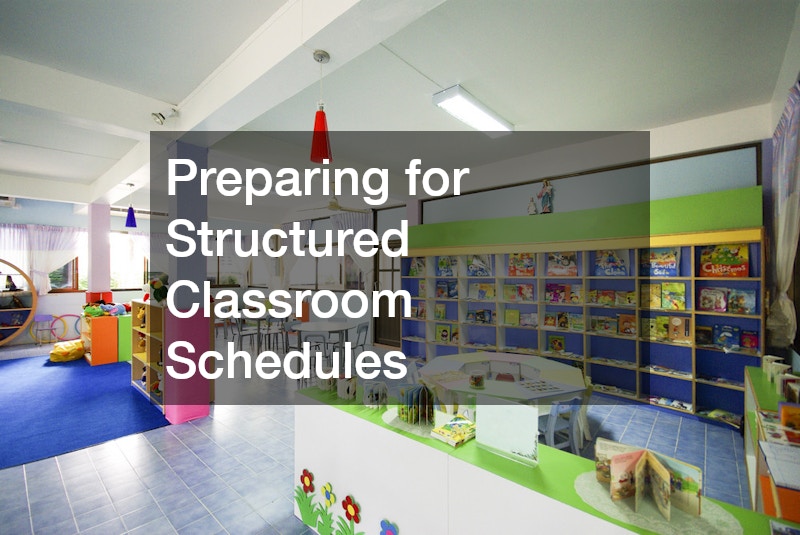
As children enter the final years prior to elementary school, daily routines naturally become more organized to reflect the expectations of formal elementary classrooms. Gradually increasing the length of structured learning intervals helps children build academic stamina, focus, and task persistence without feeling overwhelmed by sudden expectations.
Enrolling a child in a high-quality preschool setting plays a key role in bridging the gap between flexible early care and formal primary education. Early childhood teachers guide students through structured daily routines that include independent table exercises, small-group instruction, and whole-class discussions. Children practice managing personal belongings, listening attentively during group story reading, and completing multi-step learning tasks independently. These practical classroom skills give young learners the confidence required to handle structured school days easily.
Participating in enriching summer camps during the months leading up to primary school can further smooth this major developmental transition. Specialized seasonal programs offer a lower-stress environment where children practice listening to new instructors, following team guidelines, and adapting to different room layouts. By experiencing diverse educational environments during the summer months, children build impressive adaptability, emotional resilience, and genuine excitement for entering formal academic classrooms in the fall.
Ensuring a Smooth Transition into Primary Education
The ultimate culmination of the early childhood roadmap occurs when a child steps into their primary school classroom equipped with the skills needed to thrive. All the social, emotional, physical, and cognitive milestones achieved through early care settings come together to support this major educational milestone.
Parents who have taken time to evaluate the benefits of prep schools often notice how early academic and social preparation pays long-term dividends during this critical transition. Children who have experienced rich early learning environments adjust rapidly to structured reading and math lessons, manage full-day schedules with ease, and interact confidently with teachers and classmates. They view the classroom as a welcoming, engaging space where they can ask questions, explore new ideas, and embrace challenging concepts.
Entering kindergarten marks a significant and rewarding milestone for both children and parents alike. Armed with social confidence, physical balance, fine motor dexterity, and foundational cognitive abilities, young learners are fully prepared to take on formal academic challenges. By following a thoughtful, comprehensive early education roadmap from early infancy through early school entry, families provide their children with the strongest possible foundation for a lifetime of joyful learning and personal achievement.