Balancing structure with creative freedom is one of the defining qualities of a strong educational environment. Students benefit from clear expectations and routines, but they also need opportunities to explore, think independently, and express themselves. Many of the best private schools are known for achieving this balance, creating spaces where students feel both supported and inspired. By combining organization with flexibility, educators can help students develop confidence, discipline, and creativity at the same time.
Establishing Clear Routines and Expectations
Structure provides students with a sense of stability and predictability, which is essential for effective learning. Daily schedules, classroom rules, and consistent expectations help students understand what is required of them. This clarity reduces distractions and allows students to focus on their work. A well-structured environment creates a foundation for both academic and personal growth.
Encouraging Creative Expression in the Classroom
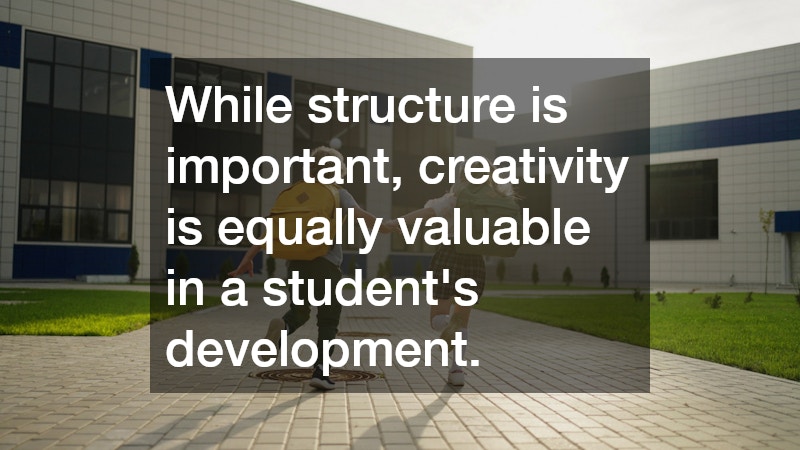
While structure is important, creativity is equally valuable in a student’s development. Classrooms that encourage creative thinking allow students to explore ideas, ask questions, and approach problems in new ways. Activities such as art, storytelling, and project-based learning provide opportunities for self-expression. These experiences help students develop critical thinking and innovation skills.
Integrating Flexibility Into Lesson Plans
Flexibility within structured lessons allows teachers to adapt to the needs and interests of their students. Educators can adjust activities, introduce new concepts, or extend discussions based on how students respond. This approach keeps learning engaging and relevant. It also helps students feel more involved in their education.
Supporting Individual Learning Styles
Every student has a unique way of learning, and balancing structure with creative freedom helps address these differences. Teachers can provide guidance while allowing students to explore topics in ways that suit their strengths. This personalized approach encourages deeper understanding and engagement. Students are more likely to succeed when their individual needs are recognized.
Private schools play a significant role in the education system. Private schools constitute 25% of all elementary and secondary schools, reflecting their widespread presence and impact. Many families choose the best private schools because they offer a balanced approach that combines structure with opportunities for creativity. This combination helps prepare students for both academic success and personal growth.
The best private schools are committed to creating a learning environment that blends structure with creative freedom. Their approach supports each student’s growth while encouraging curiosity and innovation. If you are exploring the best private schools for your child, we invite you to reach out to local options today to learn more about how they can support your child’s educational journey.