
The traditional pathway to financial security has long been presented as a linear narrative: attend a four-year university, earn a bachelor’s degree, and step directly into a well-compensated office environment. For generations, high school graduates were told that a college diploma was the primary ticket to a middle-class lifestyle or better. However, the economic landscape of today has shifted dramatically.
Skyrocketing tuition costs, mounting student loan debt, and four years of missed earning potential have led many individuals to reevaluate whether a traditional university education is truly the most prudent investment for their future. At the same time, severe labor shortages across technical, medical, specialized hands-on, and trade industries have pushed compensation packages for skilled workers to unprecedented levels. Beyond the confines of fluorescent-lit cubicles lies a vast world of high-paying, highly rewarding careers that prioritize specialized hands-on capabilities, real-world experience, and focused technical certifications over four-year degrees.
These professions span an impressive spectrum of industries, ranging from advanced industrial technology and specialized trade crafts to commercial aviation, health services, and essential local infrastructure maintenance. Individuals who choose these paths often enjoy a distinct financial advantage. Instead of taking on tens of thousands of dollars in debt, they enter training programs that last anywhere from a few months to two years, or they participate in paid apprenticeships where they earn competitive income from day one. Moreover, these roles offer a level of job security that many office positions simply can’t match.
- 1. Soaring into High-Income Aviation Opportunities
- 2. Powering Modern Communities as a Master Electrician
- 3. Mastering Precision Beauty and Personal Care Services
- 4. Elevating Urban Architecture through Heavy Construction Supervision
- 5. Building a Lucrative Enterprise in Property Management and Contracting
- 6. Specialized Non-Surgical Alignment and Joint Care
- 7. Advanced Technical Support in Complex Dental Surgery
- 8. Essential Roles in Aesthetic Oral Enhancements
- 9. Technical Mastery in Advanced Structural Implantology
- 10. Advanced Non-Invasive Musculoskeletal Rehabilitation
1. Soaring into High-Income Aviation Opportunities
Commercial aviation offers some of the most dynamic and lucrative career options available outside the standard university track. While many people assume all pilots spend four years studying aeronautical science at a university, the reality is that the aviation industry prioritizes flight hours, physical health, and FAA certifications above all else. Enrolling in a specialized flight training school allows aspiring pilots to focus entirely on passing written examinations, mastering aircraft maneuvers, and accumulating the flight hours required for private, instrument, and commercial ratings. The path to the cockpit is intensive and requires strict dedication to safety regulations and spatial awareness, but it can be completed in a fraction of the time needed for a traditional degree.
Beyond regional passenger carriers, commercial pilots find high-paying employment in corporate jet transport, cargo distribution, aerial photography, agricultural spraying, and emergency medical transportation. Experienced pilots regularly achieve six-figure earnings, backed by strong union structures and clear ladder advancement opportunities. The demand for certified aviators remains extraordinarily high worldwide due to retiring workforces and expanding global trade routes.
2. Powering Modern Communities as a Master Electrician

Electricians form the backbone of modern residential, commercial, and industrial infrastructure. To build a career in this vital field, individuals don’t need a four-year degree; instead, they usually enter paid union or non-union apprenticeship programs where they learn electrical theory, blue-print reading, and local building codes while earning a steady wage. Over the course of four to five years, apprentices progress to journeyman status and eventually can achieve master electrician certification. Master electricians possess the expertise needed to design complex wiring systems, troubleshoot smart grid equipment, and manage major commercial installations. Those who specialize in high-voltage industrial systems or renewable energy power grids enjoy exceptionally high compensation.
Additionally, many master electricians transition into entrepreneurial roles, building their own contracting firms and generating substantial annual revenue. The ongoing transition toward electric vehicles, solar power integration, and smart building technologies ensures that skilled electrical workers will remain among the most sought-after professionals in the workforce.
3. Mastering Precision Beauty and Personal Care Services
The personal care and esthetics industry represents a multi-billion-dollar market powered by specialized technical skill and personalized client relationships. Pursuing a career in this field begins by completing targeted coursework at a licensed beauty school, where students master hair design, advanced skincare, chemical treatments, and sanitation protocols. Unlike four-year academic paths, these programs focus heavily on hands-on practice, preparing students for state licensing examinations in under two years. High-earning opportunities abound for professionals who specialize in premium services such as micro-blading, medical esthetics, color correction, or salon management.
Successful practitioners often build loyal client bases, allowing them to command premium rates for their time and expertise. Furthermore, this industry offers unparalleled scheduling flexibility and creative freedom. Skilled professionals can choose to work in luxury spas, join television and film production crews, or establish their own independent boutique studios. The combination of minimal entry costs, rapid training timelines, and direct control over earning potential makes advanced personal care a compelling alternative to traditional corporate work.
4. Elevating Urban Architecture through Heavy Construction Supervision
Urban centers rely heavily on massive infrastructure projects, high-rise developments, and structural upgrades. While civil engineering requires extensive academic degrees, the professionals who manage active construction sites often rise through the ranks without a four-year diploma. Skilled trade workers who master carpentry, concrete placement, steel erection, or heavy excavation frequently step into supervisory roles as site superintendents and construction project managers. These positions require a deep understanding of structural safety, blueprint analysis, crew coordination, and project scheduling.
Construction supervisors act as the critical bridge between design concepts and real-world execution, making their practical knowledge invaluable to property developers. Because major construction projects run on strict deadlines and high budgets, competent site managers command top-tier salaries and performance bonuses. The field rewards leadership, problem-solving under pressure, and practical trade mastery, offering a clear path from entry-level hands-on labor to high-paying executive site leadership.
5. Building a Lucrative Enterprise in Property Management and Contracting

Residential construction and interior updating remain strong drivers of local economic activity nationwide. Homeowners consistently invest significant capital into updating living spaces, expanding room layouts, and repairing aging structures. Establishing a successful career in independent home renovation doesn’t require a college diploma; rather, it demands practical craft knowledge, general contractor licensing, and solid project management capabilities. Skilled contractors who coordinate carpentry, tiling, electrical work, and plumbing can command exceptional profit margins on custom residential projects.
Beyond executing physical improvements, successful contractors build thriving businesses by managing subcontractor crews, sourcing quality materials, and maintaining excellent client communication. The demand for skilled residential remodeling specialists is bolstered by an aging housing stock and a growing consumer desire for custom, energy-efficient home environments. Professionals in this sector enjoy the freedom of business ownership, direct control over their project portfolios, and the satisfaction of physically transforming residential spaces while capturing substantial personal profits.
6. Specialized Non-Surgical Alignment and Joint Care
Non-invasive physical therapy and musculoskeletal adjustments represent a rapidly growing sector of outpatient wellness care. Many professionals work as licensed assistants or clinic technicians alongside established chiropractors to deliver non-pharmaceutical pain management treatments. Entering this field through targeted vocational diplomas or associate degrees allows workers to master spinal decompression machinery, therapeutic exercise instruction, and posture correction protocols.
Clinic support staff and specialized adjustment technicians enjoy stable schedules in private practice settings with minimal overhead stress. As public interest in holistic health and non-opioid pain management continues to expand, specialized clinical support positions in physical rehabilitation offices offer strong job security and rewarding career paths without requiring traditional four-year academic degrees.
7. Advanced Technical Support in Complex Dental Surgery
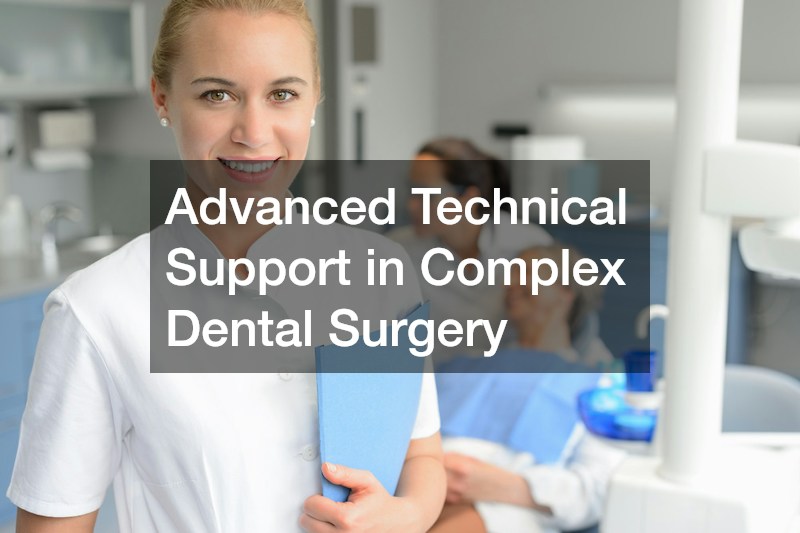
Beyond general oral hygiene, advanced clinical procedures require highly skilled technical assistance and specialized lab fabrication. Dental practices that focus on structural repair rely on trained technicians to assist with complex restorative dentistry procedures, including crown placements, bridge installations, and full-mouth rehabilitation. Entering this field involves practical trade training, laboratory certifications, or targeted associate programs that teach medical material science, digital scanning, and 3D dental modeling.
Technical assistants in these environments earn premium wages due to the high level of precision required during intricate clinical operations. They work directly with state-of-the-art technological tools, managing computer-aided design systems and ensuring that custom prosthetic devices meet exact anatomical specifications. The fast-paced growth of modern oral healthcare ensures that technical specialists in advanced structural repair enjoy strong earning power and consistent employment opportunities across urban and suburban medical markets alike.
8. Essential Roles in Aesthetic Oral Enhancements
The growing focus on personal wellness and aesthetic self-care has created massive growth in elective clinical procedures. Dental facilities that specialize in aesthetic enhancements employ skilled clinical coordinators, lab artists, and technical assistants alongside certified cosmetic dentists. Professionals in these non-degree roles handle complex patient consultations, operate sophisticated digital imaging tools, and manufacture custom aesthetic veneers and aligners in specialized laboratories. Obtaining certification in dental laboratory technology or clinical assisting pediatric dentists provides a direct entry point into this lucrative sector without spending four years in traditional higher education.
Because aesthetic treatments are predominantly fee-for-service, practices operating in this space often yield higher profit margins, which translates into superior compensation and performance incentives for their technical staff. The blend of artistic visual design, cutting-edge material technology, and direct patient interaction makes aesthetic clinical support a deeply fulfilling and financially lucrative alternative career track.
9. Technical Mastery in Advanced Structural Implantology
As medical technology advances, permanent structural prosthetics have become the gold standard for long-term patient rehabilitation. High-volume clinical practices that feature an experienced implant dentist require dedicated surgical technicians to manage complex operative suites, maintain sterile field protocols, and prepare specialized titanium hardware. Training for surgical technology or dental implant assisting typically takes between twelve and twenty-four months through accredited vocational institutes or community colleges.
Technicians working in this advanced field command higher salaries than general medical assistants because of the surgical precision and specialized equipment knowledge required during procedure setup. They operate digital cone-beam imaging systems, guide surgical tray preparation, and oversee post-operative technical care protocols. The expanding aging demographic, paired with a rising preference for permanent restorative options, guarantees that surgical technicians specializing in structural prosthetic placement will enjoy exceptional career longevity and rising income ceilings.
10. Advanced Non-Invasive Musculoskeletal Rehabilitation
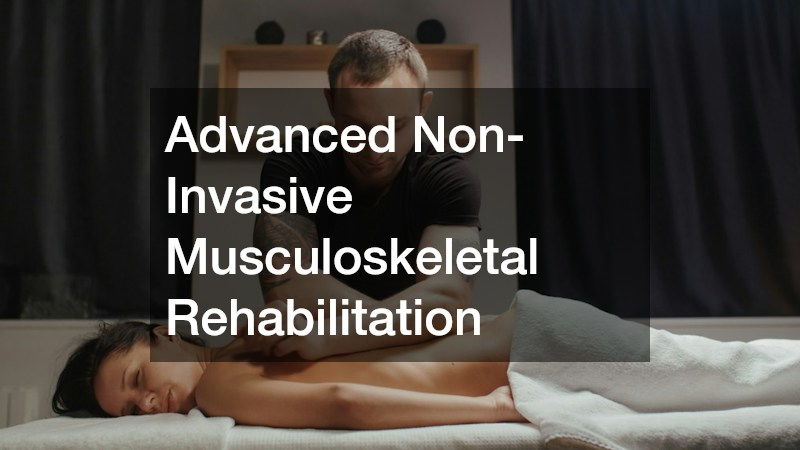
Spinal healthcare and non-surgical wellness solutions continue to experience tremendous patient demand across urban and suburban markets. Technical specialists and clinic directors who manage daily rehabilitation programs often gain their skills through focused vocational training or targeted health science certifications rather than traditional university tracks. Working in tandem with a dedicated back pain relief chiropractor, these specialized technicians operate spinal traction units, administer cold-laser therapy, and guide patients through targeted core-stabilization exercises.
The high volume of patients seeking long-term relief from chronic physical strain creates stable earning opportunities and consistent demand for skilled clinical support personnel. This sector combines hands-on human care with specialized medical devices, offering a lucrative and fulfilling non-desk career path that continues growing rapidly as more individuals actively prioritize overall bodily wellness, long-term spinal mobility, and preventive healthcare options.
The modern employment market has permanently evolved beyond the narrow belief that a four-year university degree is the sole prerequisite for a high-paying, fulfilling career. As demonstrated across various dynamic industries—from commercial aviation and heavy structural construction to advanced medical support and specialized logistics for a diesel mechanic—practical capabilities, targeted certifications, and hands-on mastery carry immense value in today’s economy. Choosing a non-degree career path allows ambitious individuals to bypass the heavy burden of long-term student debt while gaining a significant head start in the workforce.
While traditional college students spend four years in lecture halls accumulating expenses, trade apprentices, technical students, and vocational trainees are actively building real-world experience and earning competitive incomes. Furthermore, these specialized professions offer a level of structural job security that many administrative desk jobs simply can’t match. The physical infrastructure, transportation networks, clinical settings, and specialized machinery that keep society functioning require local, hands-on human expertise that can’t be easily automated or offshored.
Whether operating high-tech diagnostic equipment, managing complex construction sites, piloting commercial aircraft, or owning an independent contracting business, workers in skilled non-degree careers hold the keys to their own financial destinies. For high school graduates, career changers, or anyone seeking a lucrative professional future outside the traditional office environment, the path forward is clear. Success is built on demonstrable skill, disciplined effort, and a willingness to master a practical craft. By taking advantage of specialized trade schools, targeted vocational certifications, and paid apprenticeship opportunities, individuals can secure lucrative, engaging, and resilient careers that extend far beyond the desk.