Parents facing the early years of a child’s life often feel inundated with choices. From the moment an infant begins to interact with the world, families evaluate how to manage daily schedules while providing an environment that fosters healthy development. The options range widely, from home care to structured academic settings. Making sense of these paths requires looking past colorful brochures and understanding the underlying philosophy of each setup. Every model serves a distinct developmental purpose, and what works beautifully for one active household might not necessarily suit another family’s unique situation.
For many working parents, the initial step into external care involves a standard daycare arrangement. These environments focus on providing a secure, reliable routine where young children can eat, sleep, and play under adult supervision. While socialization occurs naturally, the primary emphasis remains on safety and consistent care schedules during working hours. This option provides necessary logistical support, allowing parents to balance career demands with peace of mind. However, as children grow, their cognitive and social needs shift, prompting families to look toward more structured educational layouts. Navigating this emotional transition involves carefully assessing milestone readiness and determining when supervision should evolve into intentional instruction. By mapping out family priorities early, parents can establish a clear strategy that supports both daily schedules and their child’s growing mind.
Table of Contents
- Group Socialization for the Youngest Learners
- Tracing the Evolution of Early Academic Spaces
- Deciphering Quality in Pre-Kindergarten Options
- Specialized Skill Building and Cognitive Milestones
- Evaluating the Standard Neighborhood Track
- Analyzing the Return on Tailored Instruction
- The Broader Value of Independent Academic Frameworks
- Creative Integration within Early Curricula
- Seasonal Continuity and Preventing Academic Regression
Group Socialization for the Youngest Learners
As children cross the threshold from infancy into the energetic toddler years, their curiosity expands dramatically. They are no longer content with simple, passive observation; instead, they want to touch, explore, and constantly test the boundaries of their immediate surroundings. During this phase of rapid development, group dynamics become increasingly valuable. Interacting with peers teaches young children foundational lessons in sharing, empathy, and verbal communication. Educators who specialize in this age bracket design environments that safely channel this chaotic energy into constructive learning experiences.
This developmental shift is precisely why many families begin researching toddler preschools as a bridge between full-time parental care and formal education. Unlike programs designed for older children, these specialized classrooms focus on sensory exploration, basic language acquisition, and foundational motor skills. The daily schedule incorporates movement, hands-on activities, and guided play designed to teach emotional regulation. Children learn to follow simple group instructions, transition between different tasks, and express their desires using words. By introducing a gentle framework of routine at this stage, families help children build the confidence needed for future academic success. This intentional, early exposure to a structured peer group completely demystifies the classroom environment, turning what could be a potentially intimidating transition into an exciting new adventure for everyone involved.
Tracing the Evolution of Early Academic Spaces
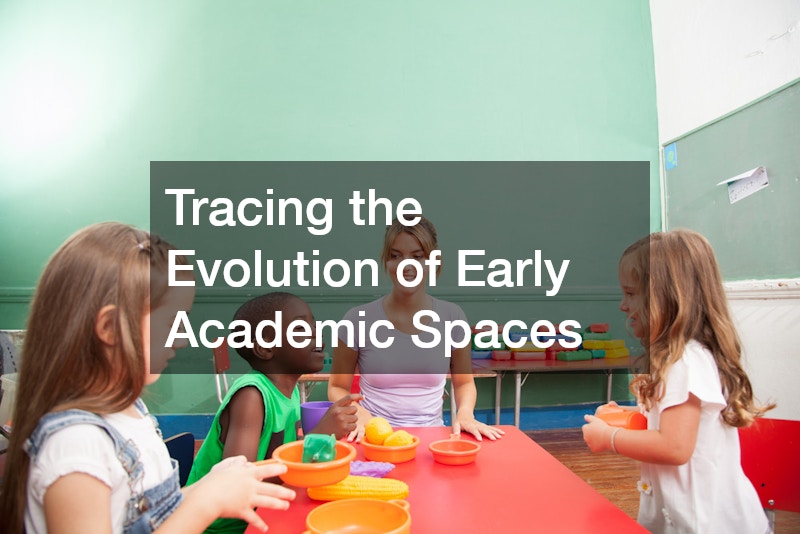
The historical roots of early childhood education reveal a long-standing debate over how best to nurture young minds. Decades ago, formal care options outside the home were scarce, and early learning was largely seen as a natural byproduct of family life. As groundbreaking research began to clearly highlight the critical neurological importance of the first five years, dedicated educational environments rapidly started to emerge globally. These institutions sought to balance emotional warmth with cognitive stimulation, creating spaces where young children could grow away from their parents for a few hours each week.
Historically, traditional nursery schools filled this vital niche by offering half-day programs centered on socialization and creative play. These settings allowed children to acclimate to a school-like environment without the pressure of rigid academic benchmarks. While the modern educational landscape has grown far more complex, the core philosophy of these early classrooms remains relevant. They emphasize the importance of community, storytelling, and cooperative play in building self-esteem. Today, modern parents still actively seek out programs that prioritize a gentle introduction to group learning, helping young children develop a strong, lasting sense of independence. Understanding the history of these spaces allows families to appreciate how contemporary early education has evolved to combine nurturing care with intentional academic preparation.
Deciphering Quality in Pre-Kindergarten Options
As the kindergarten readiness conversation intensifies, parents often find themselves searching for an environment that balances academic rigor with emotional support. The market is filled with institutions claiming to offer the perfect curriculum, making the selection process feel overwhelming. True, lasting quality in early education cannot be measured by flashy facilities or expensive toys alone; it consistently shows up in the genuine, daily interactions between teachers and students. High-quality classrooms maintain low child-to-teacher ratios, ensuring that each individual receives the attention and guidance required to thrive.
When families set out to identify the best preschool for their child, they should look closely at how educators handle social conflicts and intellectual curiosity. Exceptional programs do not rely on repetitive worksheets or forced silence. Instead, they feature dynamic classrooms where children learn through guided inquiry, problem-solving, and collaborative projects. Teachers in these settings are skilled at turning ordinary moments into valuable lessons, whether that involves counting blocks during playtime or discussing the weather during a morning circle. A truly top-tier environment successfully fosters an enduring, lifelong love for discovery, ensuring that children view daily learning as an enjoyable, natural pursuit. By focusing on these indicators of quality, parents can choose a program that prepares their child for academic challenges while preserving the natural joy of childhood.
Specialized Skill Building and Cognitive Milestones
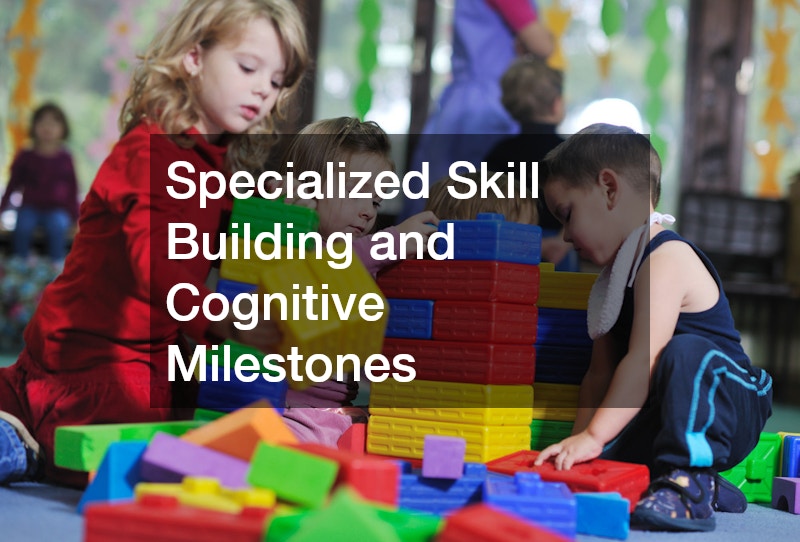
Early childhood is a period of spectacular neurological growth, with the brain forming millions of new connections every second. This window of opportunity means that the specific stimuli a child encounters can have long-lasting effects on cognitive capabilities. While general play is useful, targeted educational activities help maximize a child’s potential in areas like literacy, mathematical reasoning, and critical thinking. Specialized, modern educational settings fully recognize this immense potential and deliberately design specific, evidence-based interventions to support diverse learning styles effectively.
In many communities, a dedicated learning center serves as a vital hub for this type of focused development. These facilities provide targeted resources that go beyond standard care, offering individualized attention to address specific developmental needs or accelerate natural talents. Whether a child needs extra help mastering speech milestones or shows an early aptitude for problem-solving, these environments provide tailored support. Experienced instructors use data-informed methods to track daily progress, carefully adjusting their flexible teaching strategies to perfectly match the unique learning pace of each individual student. This focused approach ensures that no child falls behind or grows bored with repetitive tasks. By utilizing these targeted resources, families ensure that their child’s early educational foundation is sturdy and customized to their specific strengths.
Evaluating the Standard Neighborhood Track
When children approach school age, the geographic boundaries of a community often dictate the first logical step in their educational path. For generations, the neighborhood institution has served as the default choice for families entering the formal school system. This option offers several distinct practical advantages, including proximity to home, simplified transportation logistics, and the opportunity for children to grow up alongside their immediate neighbors. Walking to a nearby neighborhood campus naturally fosters a deep, meaningful sense of community connection for both growing students and their parents.
Enrolling a child in the local school also integrates the family into the broader civic fabric of the neighborhood. These public institutions are designed to accommodate a wide variety of learners, providing standardized curricula that align with state educational benchmarks. This ensures that every student covers the essential reading, writing, and mathematical concepts required for modern life. While these environments sometimes face challenges related to large class sizes and bureaucratic regulations, they offer a reliable and accessible foundation for families. Parents who choose this traditional path often choose to supplement the classroom experience with rich at-home enrichment, ensuring their child receives a thoroughly well-rounded upbringing while fully enjoying the social benefits of a neighborhood-centered education.
Analyzing the Return on Tailored Instruction
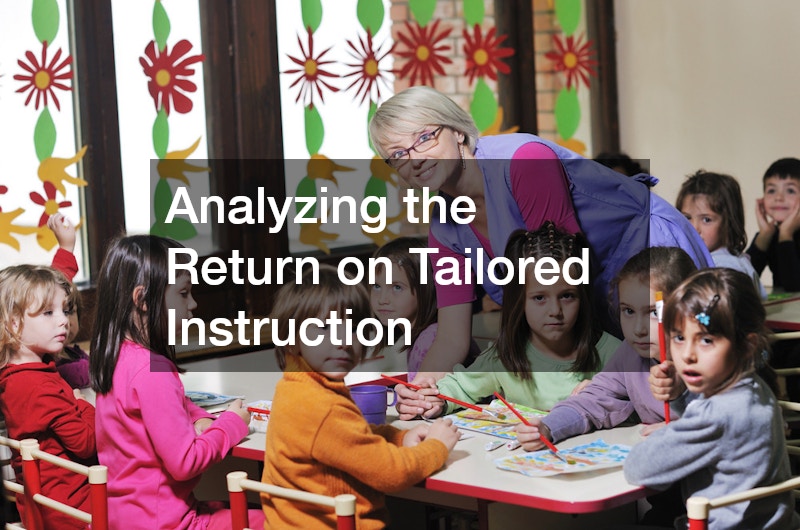
While public institutions provide a reliable baseline of education, many families look for options that offer greater flexibility and individualization. The decision to step outside the standard system often stems from a desire for smaller class sizes, specialized curricula, and a tight-knit community environment. Independent institutions have the autonomy to design their own academic programs, allowing them to pivot quickly in response to new educational research or changing global demands. This structural and financial independence can frequently lead to a highly enriching, deeply immersive academic environment for students.
When exploring alternative options, parents frequently evaluate the distinct advantages of private schools to determine if the financial investment aligns with their expectations. One of the most significant benefits is the low student-to-teacher ratio, which allows educators to provide deeply personalized feedback and mentorship. In these classrooms, teachers have the time to understand each child’s learning style, strengths, and areas needing improvement. This individualized attention helps prevent students from falling through the cracks or becoming disengaged. Additionally, dedicated independent campuses often foster a strong culture of academic accountability and active community involvement, creating a supportive environment where personal achievement is celebrated, and parental collaboration is always actively encouraged.
The Broader Value of Independent Academic Frameworks
Choosing an alternative academic path involves more than just selecting a different building; it represents a commitment to a specific philosophical approach to learning. Independent campuses often build their entire identity around core values such as character development, global citizenship, or rigorous classical inquiry. This deeply holistic focus means that young students are not just memorizing dry facts simply to pass mandatory standardized tests. Instead, they learn how to think critically, communicate effectively, and navigate complex moral questions.
Investing in private education from an early age can set a specific trajectory for a student’s entire academic career. The specialized resources available at these institutions often include advanced laboratory equipment, extensive libraries, and highly qualified faculty members who hold advanced degrees. This rich academic environment encourages students to pursue their passions deeply, whether they are drawn to advanced mathematics, historical research, or environmental science. Furthermore, the relationships built within these independent school communities often extend far beyond graduation, providing students with a valuable network of peers and mentors that lasts a lifetime. By consistently prioritizing this comprehensive, thoughtful approach, families give their children the essential tools required to navigate an increasingly complex world with genuine confidence.
Creative Integration within Early Curricula
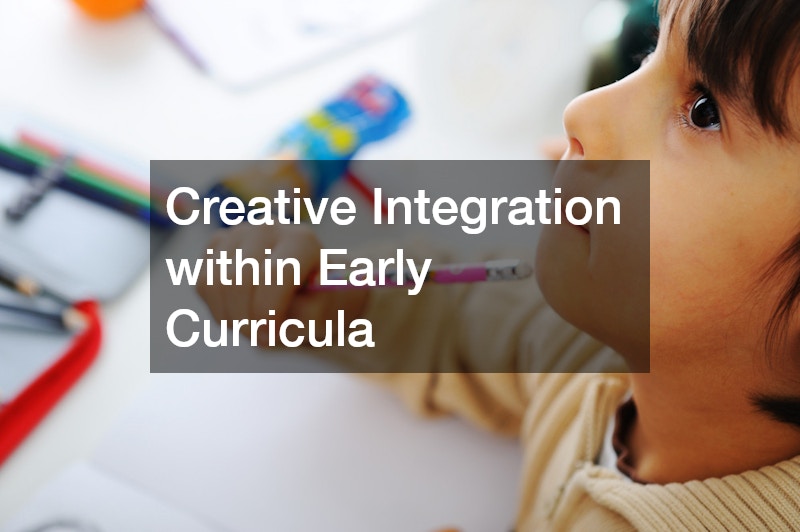
A complete education involves far more than just analytical subjects and literacy milestones. True cognitive development requires a balanced approach that engages both sides of the brain. When children participate in creative activities, they develop critical fine motor skills, spatial awareness, and innovative problem-solving abilities. Creative expression also provides a vital, healthy outlet for early emotional processing, helping young children understand and clearly communicate complex feelings that they might not yet have vocabulary words to describe accurately.
Because of these benefits, any reputable early childhood program will feature a robust art program integrated into its weekly schedule. Rather than treating creative activities as an afterthought or a reward for finishing academic work, leading schools treat creative expression as a core subject. Children are exposed to a wide variety of mediums, including painting, sculpting, and drawing, allowing them to explore different textures and visual concepts. This hands-on exploration encourages curiosity and teaches students that there are often multiple valid solutions to a single problem. By intentionally fostering this specific type of creative confidence early on, dedicated educators help young children build a highly resilient mindset that benefits them across all future academic disciplines, from complex geometry to creative writing.
Seasonal Continuity and Preventing Academic Regression
The standard academic calendar includes a long break during the warmest months of the year, which can create unexpected challenges for families. While extended time off offers a welcome chance to rest, it can also lead to a phenomenon known as the summer slide, where children lose some of the academic and social progress they made during the school year. Younger children are particularly vulnerable to this type of developmental regression, as their newly formed cognitive habits and daily routines require consistent, positive reinforcement to become permanent.
To maintain developmental momentum, many parents enroll their children in a structured summer camp that blends outdoor recreation with continuous learning. These seasonal programs offer an ideal solution by keeping children engaged in a social, active environment without the pressure of a traditional classroom setting. Activities are designed around exciting weekly themes, allowing children to explore science, nature, and teamwork through hands-on experiments. This approach ensures that children keep practicing their social-emotional and problem-solving skills throughout the break. When the new school year finally arrives, students who actively participated in these structured programs experience significantly smoother transitions, returning to the classroom feeling confident, highly energized, and completely ready to tackle new challenges.